
AI glasses could be banned at beaches, schools and gyms, but sales continue
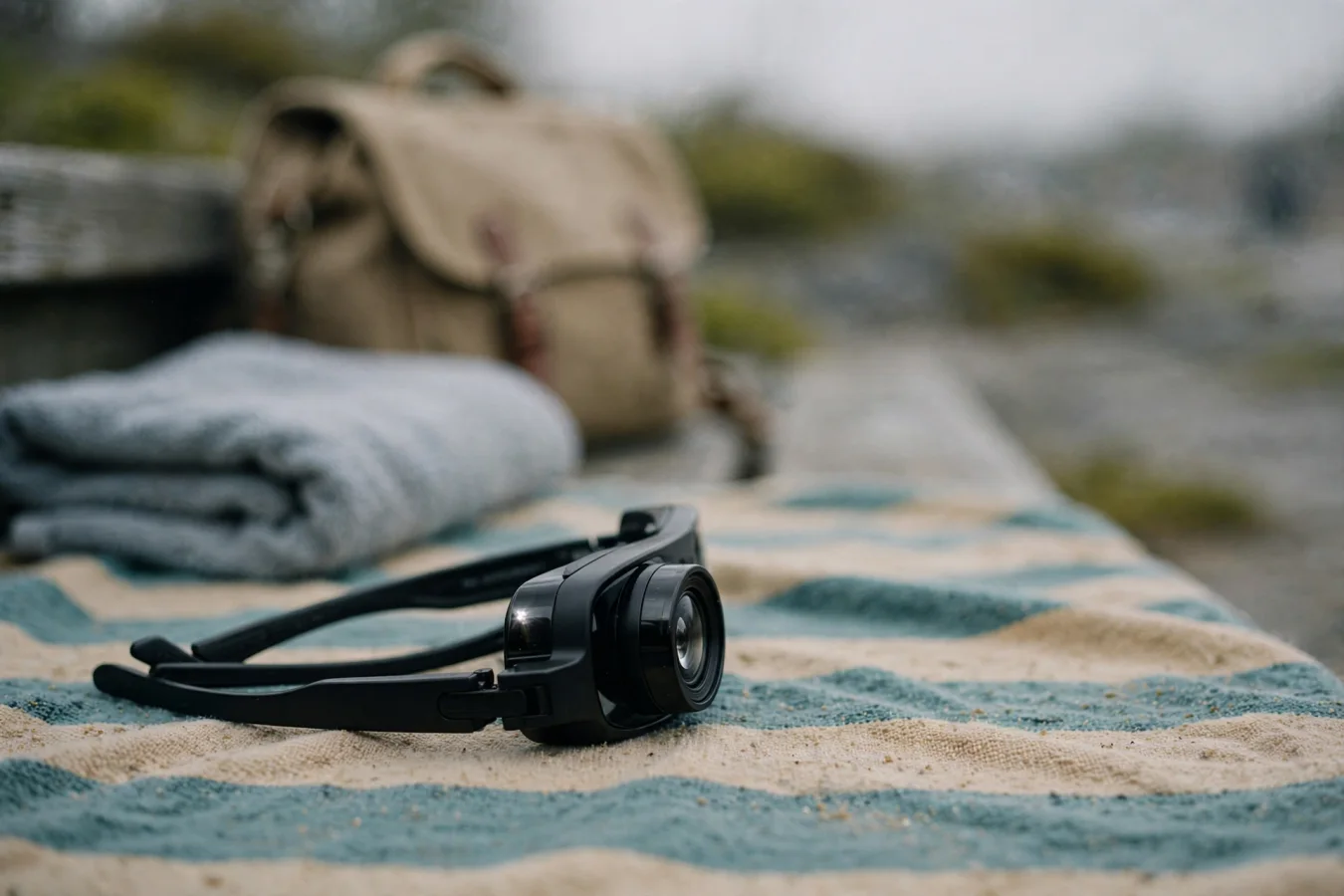
On Monday 5 October 2026, the Norwegian government announced that it will propose what Yahoo News/Ars Technica describes as the world's first temporary nationwide ban on the use of camera- and AI-equipped smart glasses in selected public places – from beaches and museums to schools and gyms with changing rooms. But the proposal has not yet been put before parliament, sales of the glasses are not affected, and exactly which technology will actually be covered remains undecided.
What the government announced
According to Reuters (6f0def57), the government said it plans a temporary ban on the use of AI glasses in selected places, citing concern that people could be photographed, filmed or audio-recorded without their knowledge. The minority government said it will present a bill to parliament "as soon as possible", and that it will also set up an expert group to advise on permanent national regulation of body-worn technology.
Digitalisation minister Torgeir Micaelsen put the reasoning plainly: "I am worried that new, powerful technology is being introduced where people risk being photographed, filmed or audio-recorded without knowing it" (6f0def57). In a state press release quoted by the New York Post, he added: "We do not want a society where people are concerned about hidden audio recordings, photography and filming in places and situations where they are used to being without being monitored" (d8b9e48d).
The sources disagree on the minister's exact title: Reuters calls him "Digitalisation and Public Governance", the New York Post "Digitalization and Public Administration". According to Business Insider, he took office in September, and his predecessor had begun floating the idea of looking into regulation as early as August.
Which places may be covered
The government's own list, per Reuters, covers places where the public regularly gathers: parks, beaches, museums, shopping centres and public events. Reporting based on ABC News (42bb75f4) adds areas that authorities say are under consideration: spaces used by children – schools, kindergartens, playgrounds and youth clubs – and places where "privacy is particularly important", such as healthcare facilities and fitness centres with changing rooms and showers. There is thus a difference between what is firmly in scope and what is still being weighed – and the examples in the headline should be read with that caveat.
What the ban is not
This is not a total ban, and it does not touch sales. Private use remains legal, and retailers can keep selling the glasses – only use in certain places could be prohibited. Micaelsen frames the ban as a bridge: it "will give [us] time to conduct a thorough assessment and hold an informed debate that can lay the foundation for permanent regulation" (7e7415a5).
Open questions
Three things remain undecided. First, the technology scope: the government is to examine whether the ban applies to glasses with camera and audio recording, glasses with camera and AI functions, or also other body-worn technology with camera, audio recording and/or AI (6f0def57). Second, the final list of places, on which reporting still differs. Third, timelines – no deadlines are given, in the available sources, either for the bill or for the expert group's work.
The political path ahead
The Labour-led minority government lacks an overall majority and needs the support of opposition parties to pass the ban (7e7415a5). Business Insider corrected its coverage to stress that this is at the proposal stage – the law has not been passed (e502b6ef).
International context
The proposal comes in the wake of the large eyewear chain Hans Anders pausing sales of Meta glasses in its stores in the Netherlands and Belgium, and of venue-level bans on smart glasses at New York nightlife spots. A Meta spokesperson told Business Insider, as the company's own claim: "Every pair with a camera has a bright light on the front that blinks when you take a photo or video. It can't be turned off, and the camera is disabled if someone covers or tampers with it – something smartphones and other cameras don't have" (e502b6ef). In California, by contrast, the governor vetoed a bill on penalties for recording with smart glasses.
What to watch
The actual text of the bill, the opposition parties' positions and the expert group's mandate will determine whether Norway truly becomes the first country with such a temporary ban scheme – or whether the proposal founders on majority arithmetic.