


AWS Has $496 Billion in Contracts – but Amazon's Cash Flow Has Turned Negative
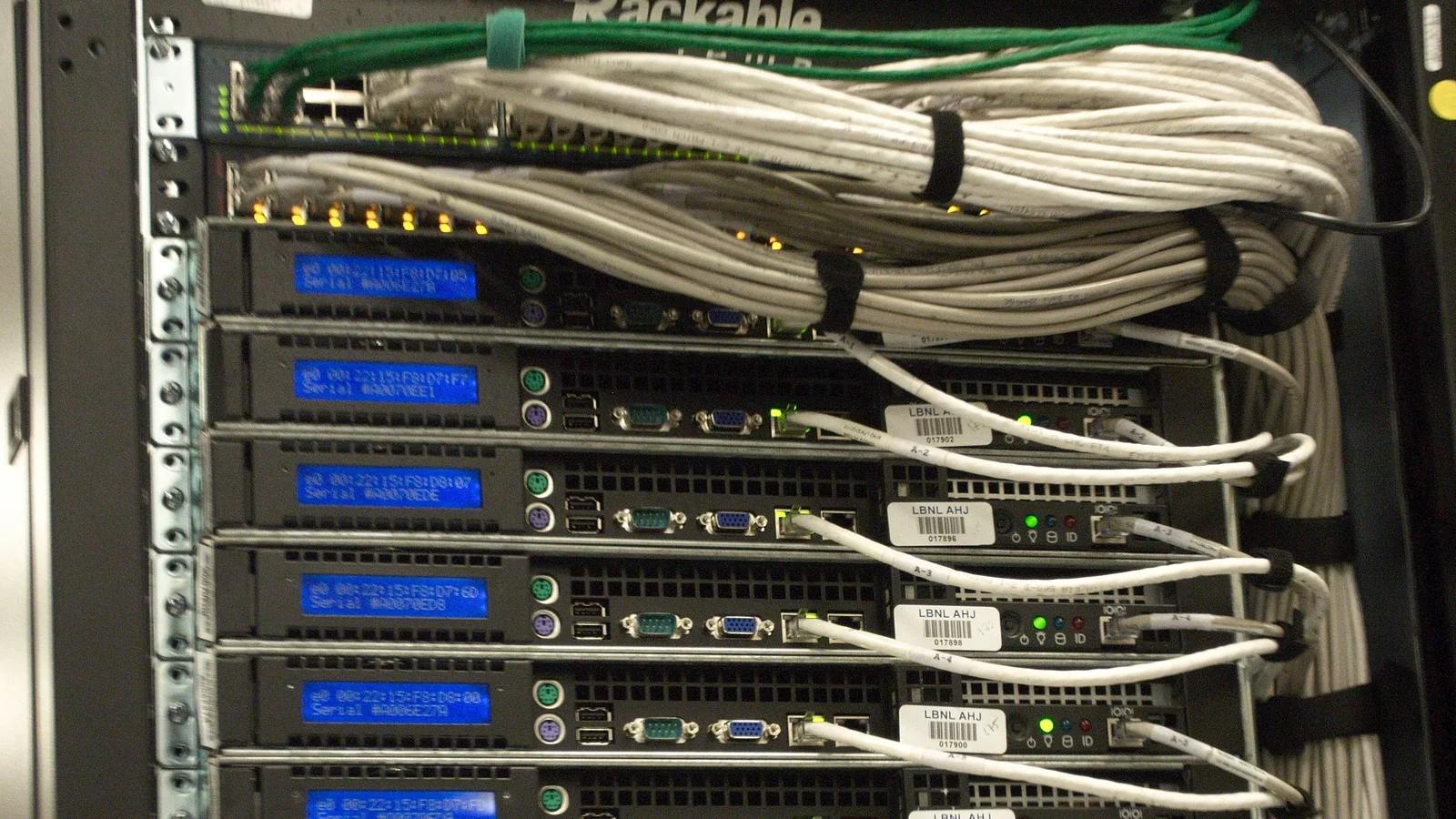
In the second quarter of 2026, Amazon spent just over $53 billion in cash investments, while AWS revenue came in at around $42 billion. Quarterly AI and cloud investments now exceed AWS's entire revenue – and free cash flow has turned negative, something AWS leadership itself acknowledged at an internal meeting in September.
The Threshold That Was Crossed
The figure that sets this quarter apart from earlier ones is not that Amazon is investing heavily – it has done that for a long time. It is that the investments are now larger than the revenue from the business they are primarily meant to serve. In Q2 FY26, AWS generated around $42 billion in revenue – $42.23 billion according to 24/7 Wall St. – up roughly 36–37 percent year over year, its fastest growth in 18 quarters. That same quarter, Amazon's cash investments totaled just over $53 billion, according to The Motley Fool via Yahoo Finance, which framed it as the company spending more on data centers than AWS earned in revenue. The difference is roughly ten billion dollars.
The comparison comes with an important caveat: the capex figure covers the entire corporation, while AWS is a single segment. This is the analysts' framing, not an official Amazon metric. The Motley Fool itself points out that the majority of the spending nonetheless goes to AI and cloud capacity, and capital expenditures were also more than three times AWS's operating income of $16 billion. The growth rate varies slightly between sources – 37 percent at 24/7 Wall St., 36 percent in the Yahoo-syndicated article.
The Numbers Behind the Bet
The size of the wager is growing faster than many expected:
- 2026 capex guidance: Amazon raised its forecast by $20 billion, to around $220 billion for the year, and states itself that the investments primarily relate to AWS and generative AI (as reported by The Motley Fool).
- Free cash flow: −$7.6 billion over the last twelve months, according to 24/7 Wall St.
- Contract backlog: AWS's contracted future revenue has now reached $496 billion, up from $244 billion at the start of 2026, with triple-digit growth (The Motley Fool, company-reported).
- Operating margin: AWS's margin rose to 39.4 percent, up from 32.9 percent in the same quarter last year – an improvement of 650 basis points, or 520 excluding a one-time accounting gain (The Motley Fool).
- Earnings: Amazon's net income of $62.6 billion includes $53.4 billion in value appreciation on the Anthropic investment – meaning the one-time item accounts for most of the profit (The Motley Fool).
The Mechanism: Why the Cash Flow Is Being Strained
Amazon's own answer to why the numbers look so aggressive comes down to timing. The company invests in data centers roughly two years before the servers begin generating revenue, but the facilities can be used for more than 30 years, according to figures retold by The Motley Fool. Servers and networking equipment turn over faster: they are purchased a few months before being put into use and normally break even in under three years.
In other words: the quarter's negative cash flow is, in Amazon's accounting, an advance payment on revenue that arrives later. These are the company's own figures and claims, not independently verified.
CEO Andy Jassy reinforces the picture of capacity constraints. Even with the raised investment plan, Amazon cannot meet demand in 2026, he says, and the same applies to 2027. He calls the demand already lined up for 2028 "striking" (as reported by The Motley Fool).
The Internal Picture: Leadership Knows the Numbers
Business Insider published on October 19 a recording from an internal AWS meeting in September, showing that leadership is itself aware of the cash flow situation. According to the recording, as reported by Business Insider, CFO John Felton joked that the company had now slipped into negative free cash flow.
According to the same report, vice president Prasad Kalyanaraman expected Amazon's machine learning and AI business to remain deeply cash-flow negative for "the next couple of years or so." That is his expectation, retold through Business Insider's reporting – not an official forecast.
Jassy himself frames the bet as one worth taking. In his latest annual shareholder letter, he writes that the company has a "clear line of sight" to strong financial returns, calls AI "a once-in-a-lifetime opportunity," and signals that Amazon will not invest cautiously (as reported by Business Insider).
What Has to Hold for the Math to Work
The $496 billion backlog is the figure on which the company's logic rests. But it is contracted future revenue – not guaranteed earnings. For Amazon's two-year model to hold, several things must fall into place: the capacity must actually be built out in line with the contracts, power supply must keep up, and customers must use the AI capacity they have committed to. None of these factors is confirmed by the numbers alone.
It is also worth noting which figures complicate a simple narrative: AWS's underlying margin improvement of 520 basis points, its historically fast growth rate, and the size of the backlog all point to a business making money faster than ever – while that same business is the reason the corporation is running negative cash flow. Both things are true at once, and it is the tension between them that defines this moment in the AI investment cycle.
What We Don't Know
The material this story is built on consists of financial secondary journalism and Business Insider's reporting from internal sources. All figures are therefore based on company-reported information retold through journalists. That applies in particular to the precise quarterly capex figure, which the sources give only as "just over $53 billion," as well as the quotes from Jassy and AWS leadership, which come from the company's own statements and an internal recording.
What will actually determine the outcome – the pace of capacity build-out, customers' actual use of contracted capacity, and how long demand holds – remains to be seen. Amazon's own figures suggest the answer needs at least a couple of years to reveal itself.
(Sources: The Motley Fool via Yahoo Finance, 24 October 2026; The Motley Fool, 14 October 2026; 24/7 Wall St., 23 October 2026; Business Insider, 19 October 2026.)