


EU Parliament adopts deepfake resolution by 405 votes to 133 – with no binding effect
Non-binding decision on identity and likeness adopted with 405 votes to 133 – as Denmark explores a copyright-based route to protecting one's own face.
The November 12 vote
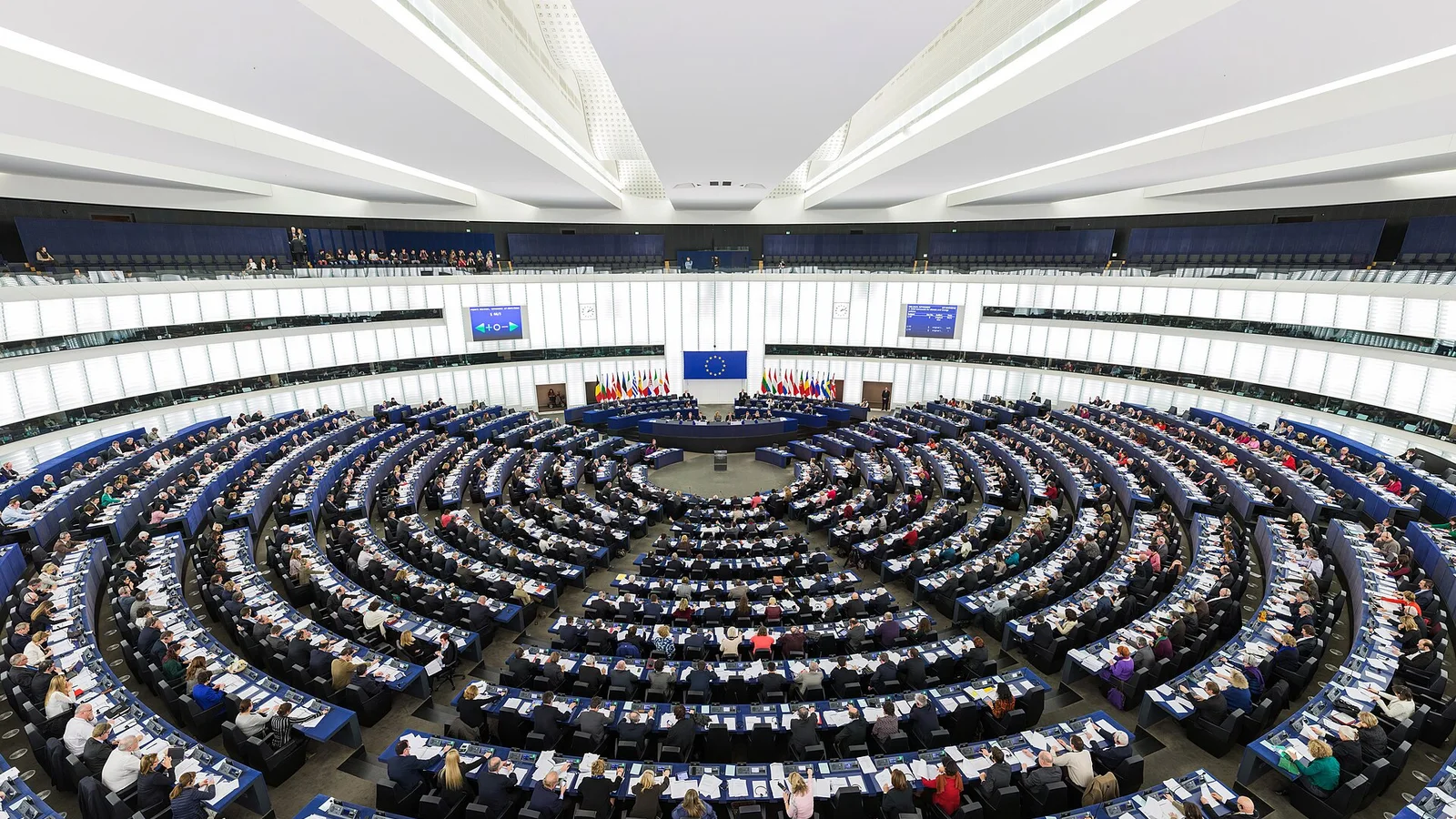
On November 12, 2026, the European Parliament adopted a resolution on the institutional aspects of artificial intelligence by 405 votes to 133, with 60 abstentions, according to The Sofia Globe and Biometric Update, which both report the same tally.
The resolution calls for parliamentary oversight of, and regulation of, how artificial intelligence affects the EU's democratic processes, institutional balance and fundamental rights. It is non-binding: it obliges no one to anything legally, but sets the agenda and signals where the Parliament's majority wants to go. It is a signal-setting step, not enacted law.
Three concrete asks
According to Biometric Update, drawing on a statement from the European Parliament, the resolution contains three main points:
-
Charter assessment: It shall be assessed whether the EU Charter of Fundamental Rights must be amended to protect personal identity and likeness against deepfakes, among other new digital rights. This is a request for an assessment – not a draft amendment and not adopted rights.
-
Reform of EU electoral law: The resolution calls for reforms of electoral legislation, in line with the concern about AI's impact on democratic processes.
-
Systematic risk assessment: The Parliament is to carry out a systematic assessment of AI's risks, rather than ad hoc, one-off responses to new technology.
The oversight machinery: an AI observatory
As part of the oversight regime, the resolution proposes a budget-neutral administrative unit, a "European Parliament AI observatory," to support the Parliament's committees in their work on artificial intelligence. Budget-neutral in this context means the unit is to be organised within existing resources, without requiring new appropriations. The observatory is thus the most tangible part of the decision: it does not require treaty changes or new legislation to be established, unlike the Charter question.
The rapporteur behind the resolution, Manolis Kefalogiannis, justified the urgency as follows, as quoted by Biometric Update: "AI does not progress linearly. It advances in leaps, and Europe must take the lead in shaping it."
Why deepfakes became a Charter question
What makes the decision notable is the choice of legal instrument. The resolution asks that an amendment of the EU Charter of Fundamental Rights be considered in order to protect personal identity and likeness against deepfakes – a signal that the Parliament believes existing tools may be insufficient, but without anything having been adopted or codified. The sources do not describe how far the Charter's existing provisions extend for deepfakes, or what a potential amendment process would look like.
The Danish parallel: copyright as the instrument
At the same time, Biometric Update reports that Denmark is exploring copyright-based rights over personal likeness – that is, a different legal mechanism than a Charter amendment. The idea, as the headline and deck describe it, is to give people legal control over their likeness via copyright law.
There is, however, no first-hand documentation of the Danish initiative in the available reporting. Its specific legal mechanism, scope, status and timeline are not described, and it is impossible to say from the sources how it relates to the Charter question – whether the two tracks compete, complement each other, or could be combined. What can be established is that two different legal models are now in play in the EU at the same time: fundamental rights at treaty level, and copyright-based likeness rights at national level.
What happens next – and what remains open
The resolution is non-binding, and the sources establish no established legislative follow-up: it is not known whether the Commission will bring forward proposals, whether the Council supports the Charter track, or whether the Charter amendment will formally come to the table at all. Several central questions remain open:
- How would a potential Charter amendment be worded? No draft exists in the available reporting.
- What does the Danish proposal actually contain? Not documented in the available reporting.
- Will the observatory be established? It is budget-neutral and administrative, but still requires a parliamentary decision on its creation.
The safest thing one can say is that the question of who controls one's own face in a deepfake era is now formally on the EU's agenda – through two parallel tracks that are both at an early stage.