


OpenAI and Anthropic give UK biosecurity lab model credits worth up to £200 million – not cash
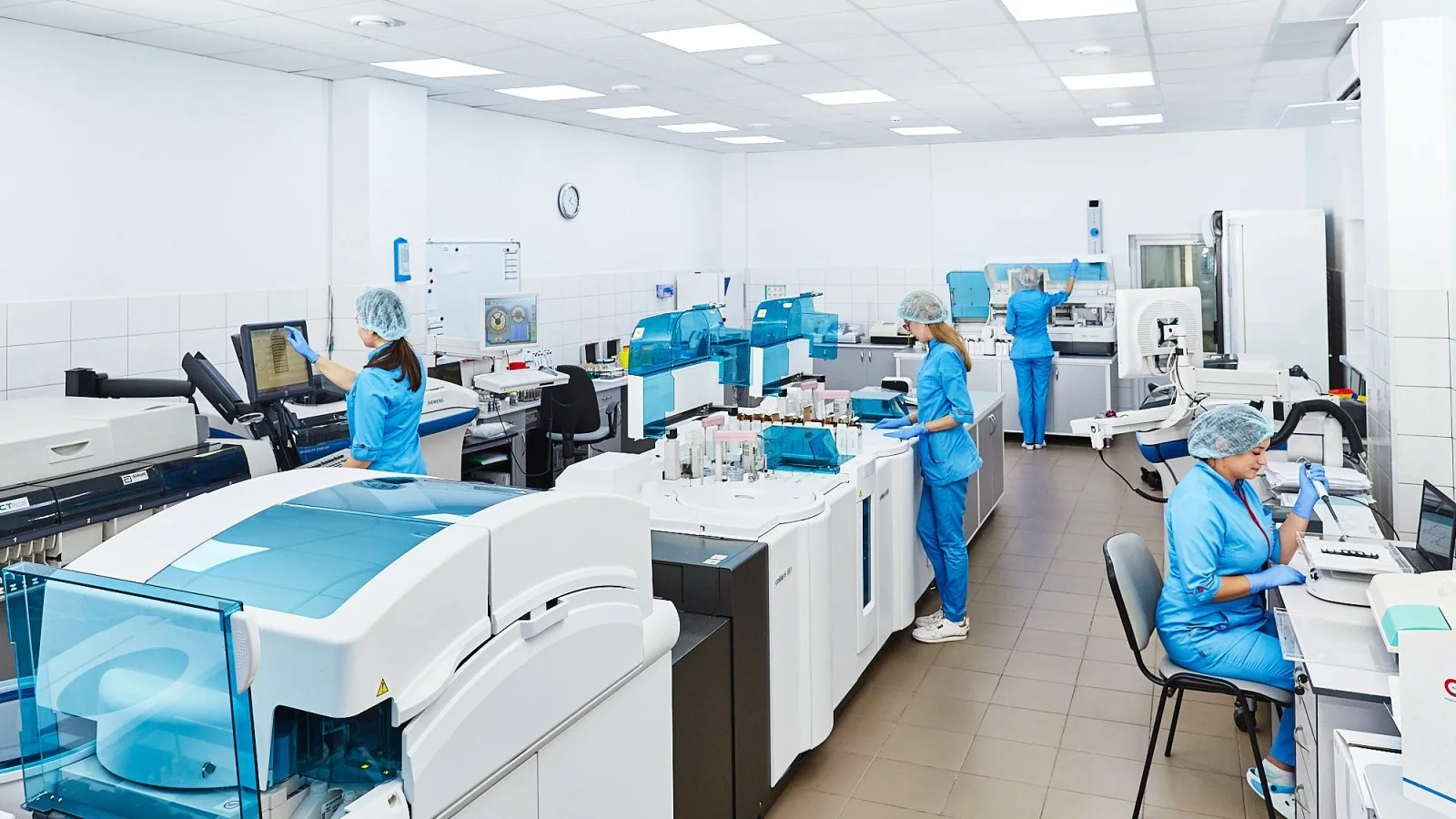
The British government announced on Saturday 24 October 2026 an AI security package of roughly £600 million (around $800 million), centred on a new AI Biosecurity Lab backed by £100 million. The lab will use artificial intelligence to detect biological threats, and OpenAI and Anthropic are, according to available reporting, contributing up to £200 million in model credits — that is, not cash. Further details are to be confirmed in Wednesday's Budget, The Mirror reports.
What has been announced
The package was presented on Saturday 24 October 2026 and, according to Investing.com via Yahoo News, targets three areas: biological threats, cybersecurity and protection of critical infrastructure. Its total size is given as approximately £600 million (around $800 million) [1b0558f4].
The biosecurity investment amounts to £165 million: £100 million for the lab itself and £65 million to strengthen monitoring systems and develop countermeasures against dangerous pathogens [1b0558f4, 53ef0b2b]. In addition, The Mirror reports a promised £120 million extra for the UK's AI Security Institute [1f6b570f].
How the lab is intended to be organised
The AI Biosecurity Lab will be run as an independent, non-profit organisation but will collaborate with public institutions and academic environments, Engadget reports [582faea9]. According to a government statement cited by ETEnterpriseAI, the lab will use AI to detect and monitor biological threats [ba55ba40].
UK AI minister Kanishka Narayan called the lab "a major new global institution that brings together world-leading scientific expertise to protect people from emerging biological threats and ensure the UK leads the world in AI safety and security", according to Engadget [582faea9].
Anthropic's head of international affairs, Matt Clifford, welcomed the announcement. "AI is changing both the biological risks we face and the nature of biological discovery, and we commend the UK government's foresight in launching the AI Biosecurity Lab," he said, according to ETEnterpriseAI, which cites Bloomberg [ba55ba40]. (Quotations translated into English by AIMag.)
Industry contributes — but not with money
OpenAI and Anthropic are to contribute up to £200 million in AI model credits, while Google DeepMind and the London-based biotech company Basecamp Research will provide additional assistance [1b0558f4].
The Japanese analysis newsletter on note.com, which covered the announcement on 25 October, stresses an important caveat: the up to £200 million from the AI companies "does not mean cash gifts in their entirety. It consists primarily of usage credits for AI models and cannot simply be added to the government's spending total" [53ef0b2b]. The credits give the lab access to models, but they are not public funds and are therefore kept out of the government's roughly £600 million spending figure. Whether the credits run over a fixed period, and what they cover, is not stated in the sources.
What the Budget will confirm — and what remains unclear
The Mirror writes that further details will be formally confirmed in Wednesday's Budget, including, the paper reports, a high-security robotics initiative it describes as the world's first. The paper attributes the Budget to finance minister John Healey; this cannot be verified with the available sources, and the exact date of the Budget is not specified beyond "Wednesday".
Several matters remain unresolved in the source material:
- The currency is inconsistent across sources. Yahoo/Investing.com gives pounds (£600 million / $800 million), Engadget writes in pounds (£100 million / $134 million), while ETEnterpriseAI uses euros (€100 million / $134 million). Since no primary government source is available in the material, the figures in pounds versus euros cannot be verified, and they are reproduced here as attributed.
- The split of the credits is unclear. Engadget describes £100 million in credits from OpenAI and £100 million in model credits from Anthropic separately, while other sources give a combined "up to £200 million". The division between the companies therefore cannot be established.
- The lab is announced, not operational. One source notes that these are planned measures, and that not all projects have been completed or are in operation [53ef0b2b]. There is no documentation that the laboratory has already been established.
- Limited independent confirmation. All the sources are secondary coverage that appears to trace back to the same government statement and Bloomberg's reporting. They should therefore be read as renderings of the same origin, not as independent confirmations.
Why it matters
The announcement points to a development in which governments combine public funding with free model access from the major AI companies to build national security capability. For the British, the effort concerns two sides of the same issue: AI can make it easier to develop dangerous pathogens, while the same models can be used to detect such threats earlier. Clifford pointed precisely to this duality in his statement [ba55ba40].
For the reader, the practical follow-up questions are concrete: what Wednesday's Budget confirms in funding, how much of the up to £200 million in credits is actually redeemed, and when the lab becomes genuinely operational. The available material offers no answers — only the announcement itself.
Sources: Investing.com via Yahoo News [1b0558f4]; The Mirror [1f6b570f]; Engadget via MSN [582faea9]; ETEnterpriseAI [ba55ba40]; note.com [53ef0b2b].