

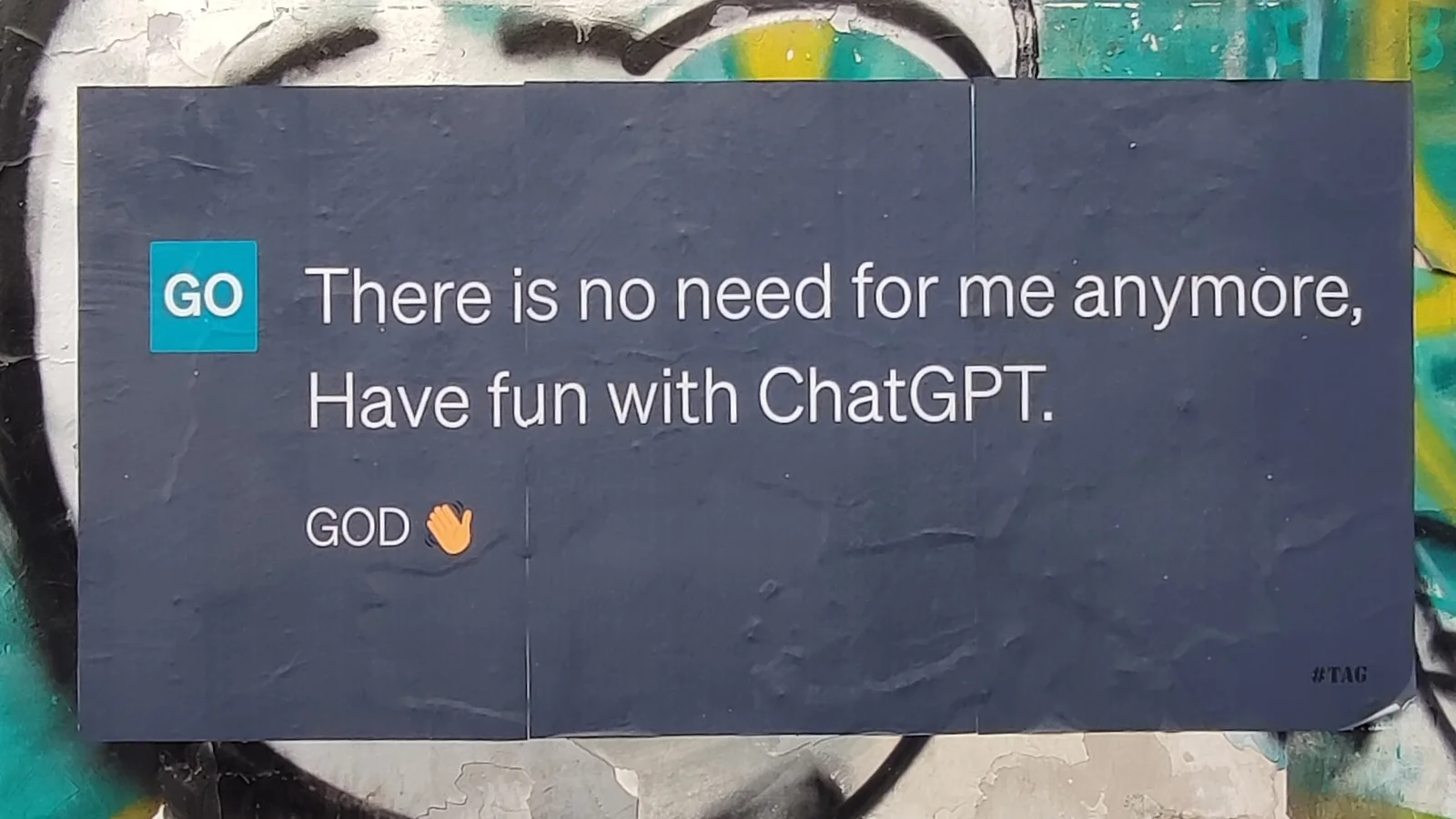

OpenAI Scraps the Pro 200 Cut – But the "Doubling" Gives Many Customers No Extra Capacity
On October 29, 2026, OpenAI reversed a planned cut to ChatGPT Pro 200 usage limits after significant user pushback – and simultaneously announced a "doubling" of limits for the $100, $200, and $500 Pro tiers plus Business Premium. But read closely, the gain for many existing Pro 200 customers is far more limited than the word "doubling" suggests: for them, the change amounts in practice to a planned cut being called off. At the same time, a checkout notice points to a December change that could consolidate all consumption across ChatGPT and Codex under a single shared limit – a change OpenAI has not yet confirmed or explained.
What Happened on October 29
The announcement came from Thibault Sottiaux, an engineer and product lead at OpenAI, in a post on X on October 29. "We are doubling all usage limits for all Pro 100/200/500 tiers and Business Premium, effective today," he wrote, as reported by Android Authority.
The doubling, however, was only half the story. OpenAI had previously planned to reduce the usage limits for the Pro 200 tier – without lowering the price – effective the same date, October 29. According to Android Authority, a substantial volume of user feedback persuaded the company to change course. Per Android Authority, Sottiaux wrote that OpenAI is pulling back the plan to reduce Pro 200 usage limits, meaning Work and Codex consumption remains unchanged.
The combination of the two moves – a scrapped cut plus a doubling – creates the impression of a large capacity gain for everyone. That impression holds only partially.
What the "Doubling" Actually Covers – and What It Doesn't
The analysis site Kingy AI, which has reviewed OpenAI's updated Pro subscription guide, points to a crucial distinction: an existing Pro 200 customer who already had the higher allowance keeps it – but OpenAI is not promising that customer a further doubling on top.
The background is the Pro 200 change OpenAI planned in September. According to Kingy AI's own September coverage, the Work and Codex allowance was to move from a historically described level of 20 times Plus to 10 times Plus. Qualifying existing customers were temporarily protected until October 29, with the reduction expected afterward. It is this cut that has now been cancelled.
That means the October 29 change has, in practice, two effects:
- For Pro 200 customers already at the higher level: nothing changes beyond the fact that the planned cut to 10× Plus is scrapped. They keep today's allowance, but do not get a doubling of it.
- For Pro 200 accounts at the lower level: these are equalized upward, which in practice functions as a doubling for exactly this group.
Kingy AI summarizes it in a table translated here: "Pro 200 already on higher allowance | $200 | Existing higher allowance retained; planned reduction cancelled." For Pro 100, Pro 500, and Business Premium, by contrast, the "doubling" is described as a real increase in usage limits.
One important caveat: OpenAI has not published concrete, numerical allowances for any tier, either before or after October 29. The practical size of the "doubling" therefore cannot be independently verified beyond the company's own characterization. The same applies to the 20×/10× figures for the cancelled cut, which are supported by Kingy AI's own September coverage but not by independent reporting in the available source material.
The December Signal: One Shared Limit for ChatGPT and Codex
While the October change is confirmed and in effect, a more recent finding points to the next round of changes. AI product researcher Tibor Blaho discovered a notice in the checkout flow reading: "Starting in December, plan usage will have a shared limit across all of ChatGPT and Codex," as reported by Windows Report.
It is tempting to read this alongside the October doubling: first allowances are increased, then consumption across the products is consolidated under one limit. But there is no confirmation that the two moves are connected, and there are no numbers describing how a shared limit would work.
The caveats are also clear. According to Windows Report, the integration has not yet rolled out, and OpenAI staff say it is still under development. In other words: the checkout notice is a signal, not a final rollout plan.
And the biggest problem for subscribers: OpenAI has not clarified whether all subscription tiers will get shared ChatGPT and Codex limits, how consumption will be calculated across the products, or whether today's allowances will change as part of the transition. For anyone trying to budget OpenAI consumption – whether for chat, agent tasks, or Codex development – it is impossible to say today whether a shared limit means more capacity in one channel, less in another, or both.
Dots: Expanded Allowances "For Now"
A third thread concerns the dots feature. According to OpenAI's own announcement on X, dots retain separate, expanded usage allowances – but the company did not say how long they last. Windows Report relays that the expanded allowances "will remain available for now," with no end date specified.
The timeline is unclear in other ways too. At DevDay on September 29, 2026, OpenAI announced that dots usage would not count against subscription limits for roughly one month after the announcement. But as of October 30, writer Yuito Kuroyama had been unable to confirm detailed information about the subsequent usage terms in official help pages or release notes, per a note.com article.
Taken together, this means the two most generous elements of OpenAI's usage regime – the dots exemption and the expanded dots allowances – are temporary, with durations that are either unspecified or not officially documented.
What Remains Unknown
On balance, many open questions remain after October 29:
- The numerical limits. OpenAI has not published concrete allowances per tier. Without numbers, a customer cannot know whether the "doubling" means 10→20, 50→100, or something else – either before or after the change.
- The scope of the December change. The checkout notice does not mention which tiers are covered. OpenAI has also not explained how consumption will be calculated when chat, agent tasks, and Codex share one limit – or whether today's allowances carry over as-is.
- The duration of dots. The expanded allowances apply "for now," with no conditions for what happens afterward. The one-month DevDay exemption is also not confirmed in official documentation.
- The accuracy of the cancelled-cut description. The 20× and 10× Plus figures come from Kingy AI's own September coverage and have not been independently confirmed.
A general caveat also applies to the source situation: Sottiaux's X post and OpenAI's updated Pro guide are not directly available in this material – all quotations come via secondary reporting from Android Authority, Windows Report, and Kingy AI.
Analysis: Capacity Priced in Motion
What does this tell us about how OpenAI manages paid usage capacity? Three patterns stand out.
First: the pricing mechanism is usage, not price. The planned Pro 200 cut was explicitly not accompanied by a price reduction. That shows OpenAI treats the usage limit as an active pricing lever – one that can be adjusted up or down without changing the subscription price. When it generated pushback, the lever was used in the opposite direction. For paying customers, this means the actual value of a subscription is in continuous motion, and the price on the receipt is a poor indicator of what you actually get.
Second: the communication makes it hard to form a picture. The wording "we are doubling all usage limits" is technically true – but for the group of Pro 200 customers who already had the higher allowance, the real change is that a cut was scrapped. A customer reading the announcement without knowing the September plan would likely believe their capacity doubled. Such state changes can be good for individual customers, but they make it hard to trust that "doublings" will last, or to plan development budgets around them.
Third: the direction points toward aggregated, metered consumption. The December signal about a shared ChatGPT/Codex limit, combined with the temporary nature of the dots exemptions, suggests a trajectory toward a regime where all consumption sums against one count per subscription. That could be fairer to customers who use the products differently, or a way to push multi-product users toward higher tiers – but as long as OpenAI has not explained the accounting rules, it is impossible to know which effect applies.
What Subscribers and Developers Should Do Now
None of the sources offer concrete advice, but the confirmed picture supports some safe conclusions: the October doubling and the scrapping of the Pro 200 cut are real and in effect. The December change, by contrast, is unconfirmed as a final rollout, and its impact on different usage patterns is unknown. For anyone building workflows on Codex or combining heavy chat use with agent tasks, the sensible conclusion is to treat today's allowances as volatile until OpenAI publishes numbers and accounting rules – and to watch official documentation rather than marketing language about "doublings."