

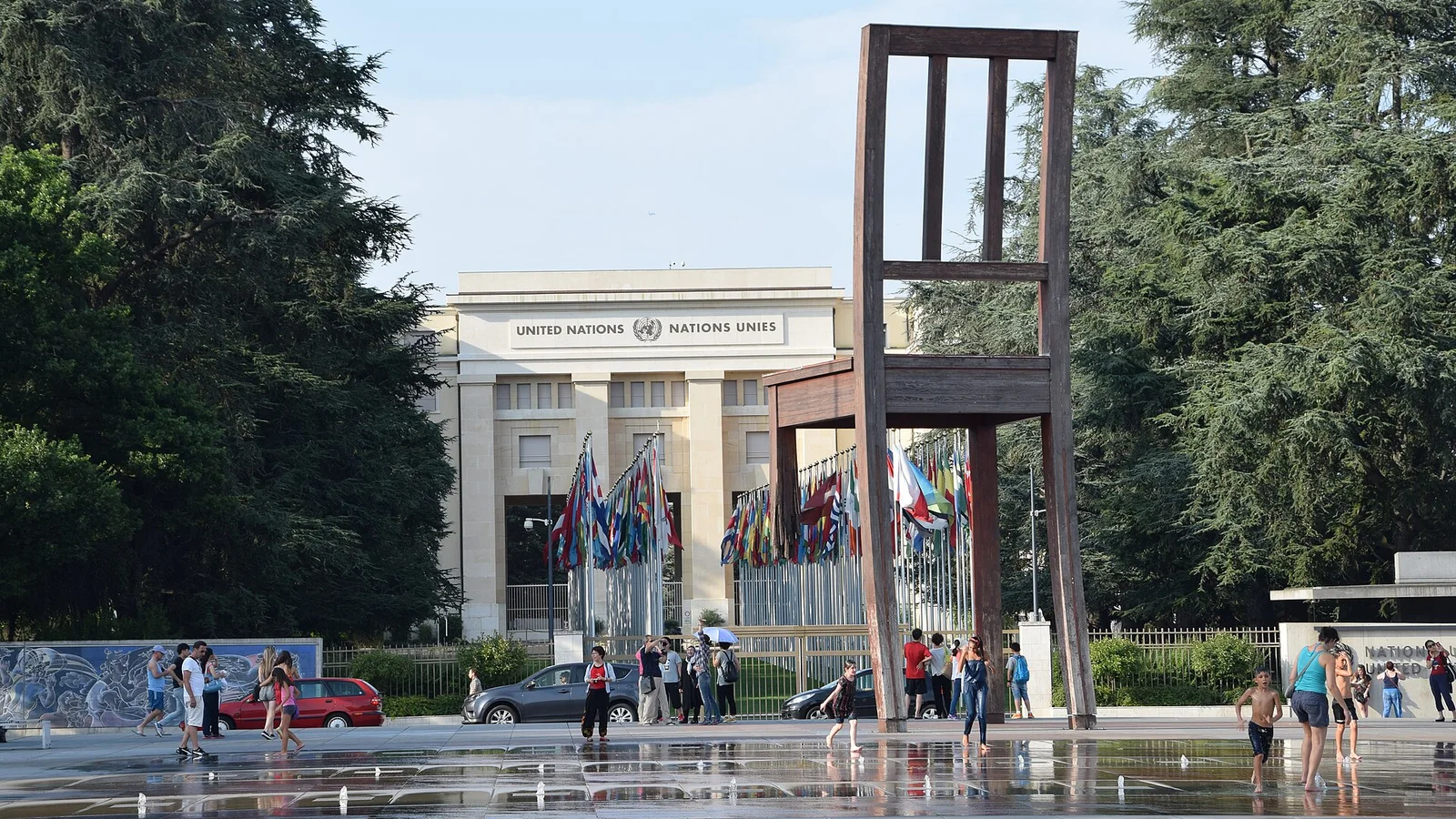

Pope Leo XIV demands a ban on lethal autonomous weapons ahead of the UN meeting in Geneva
Pope Leo XIV urges UN member states to take concrete steps toward a ban on lethal autonomous weapons, in an address delivered just weeks before the UN meeting in Geneva — while rejecting any notion that AI systems can be granted rights or person status: "Machines are tools, not persons."
Pope Leo XIV issued a clear demand on Friday, October 30, 2026: artificial intelligence must be "disarmed". In an address delivered in the Hall of Popes at the Vatican, he urged UN member states to "take concrete steps toward a ban on lethal autonomous weapons" at their meeting in Geneva next month, according to The Verge.
The address was delivered to participants in the dialogue meeting "The Future of AI: A Dialogue Between the Vatican and the Scientific World on the Developments and Applications of Intelligent Technologies", jointly organized by the Pontifical Academy for Life and the Future of Life Institute — an independent organization that studies the risks of advanced technologies (Vatican News).
What the Pope actually said
The core of the message is that humans cannot shift responsibility for the technology onto the technology itself. According to The Verge's account of the address, the Pope said that humans "have the responsibility to guide, change and, when necessary, reject its applications". At the same time, he rejected any idea that AI systems can be ascribed rights or legal person status: "Machines are tools, not persons," the address stated, in line with the themes of his first major papal document.
The Pope closed the address with an institutional demand: international institutions must safeguard the common good against AI-related risks, with "shared standards, independent oversight and clear accountability mechanisms, so that decisions on the development and use of AI can be scrutinized, challenged where necessary, and followed by appropriate remedies for any harm caused" (The Verge, citing the address).
The five considerations
Unite.AI presents the address as five considerations, each of them anchored in numbered passages from the encyclical Magnifica Humanitas. It is worth noting that Unite.AI has an author listed as an "AI research agent", so its rendering should be read as a detailed paraphrase, not as a verbatim transcript. The complete official text of the address is not yet available.
The first consideration is that AI's future is not predetermined: because humans develop the technology, the future depends on the choices humans make — and humans therefore bear the responsibility to guide and change its applications, and, where necessary, to reject them.
Among the other points, as summarized by Unite.AI, are that machines are tools and not persons, and that certain decisions — such as targeting missions in war and registration in border-control databases — can never be delegated to machines. A recurring theme is that ethical principles need institutions in order to be turned into practice.
The Vatican's own dialogue: from words to policy
The meeting itself, which took place at the Casina Pio IV, dealt to a large extent with the same themes the Pope raised. According to Vatican News, concern was expressed over the use of autonomous weapons, the possible attribution of consciousness, legal person status and rights to artificial systems, and the risk of developing intelligences that could escape human control.
Cardinal Michael Czerny, head of the interdicasterial commission for artificial intelligence, signaled that the Vatican now wants results. "We strongly desire to pass from words and ideas to possible policies and actions," he told Vatican News, pointing to two fundamental questions: "Who should do what? How can we encourage and even help them to do it?"
This is precisely the leap — from papal declarations to concrete accountability mechanisms — that makes the occasion more than just another speech. The Cardinal's questions presuppose that someone will actually be required to act, with what instruments and under what oversight.
Continuity: from Francis to Magnifica Humanitas
The address is no break with the predecessor. According to The Verge, Leo XIV recalled Pope Francis's address to the G7 session on artificial intelligence on June 14, 2024, in which Francis described AI as a tool that arouses both enthusiasm and fear, and declared that the decision to take a human life can never be entrusted to a machine. Francis also called in 2024 for a ban on autonomous weapons, with the words: "No machine should ever choose to take the life of a human being" (as reported by The Verge).
Leo's contribution is to tie that line to his own document. The encyclical Magnifica Humanitas, issued on May 15, 2026 under the title On Safeguarding the Human Person in the Time of Artificial Intelligence, laid, according to Unite.AI, the foundation for the address's considerations. The warning against granting AI legal person status thus repeats a theme from his first major papal writing, now formulated as a direct demand aimed at concrete decision-makers.
What happens next — and what remains open
The immediate test is the UN meeting in Geneva in November 2026, where the Pope, according to The Verge, asks member states to take "concrete steps toward a ban on lethal autonomous weapons". Which UN forum is involved, and how countries have responded to the appeal, is not documented in the available source material. It is therefore not possible to say on the basis of the sources whether the appeal will be met with negotiations, resistance or silence.
Other open questions concern the documentation itself: the official text of the address has not been made available, and all Pope quotes rest on secondary accounts from The Verge and Unite.AI. The content of Magnifica Humanitas is likewise known only through secondary sources.
Whatever the outcome in Geneva, the address points to something larger than weapons technology: a demand that AI development and use be open to scrutiny and challenge, with remedies when people are harmed. Who will concretely deliver that oversight — and whether UN member states accept the invitation — is the next thing to be clarified.