


A Year After the Withdrawal: EU Battle Over Reviving AI Liability
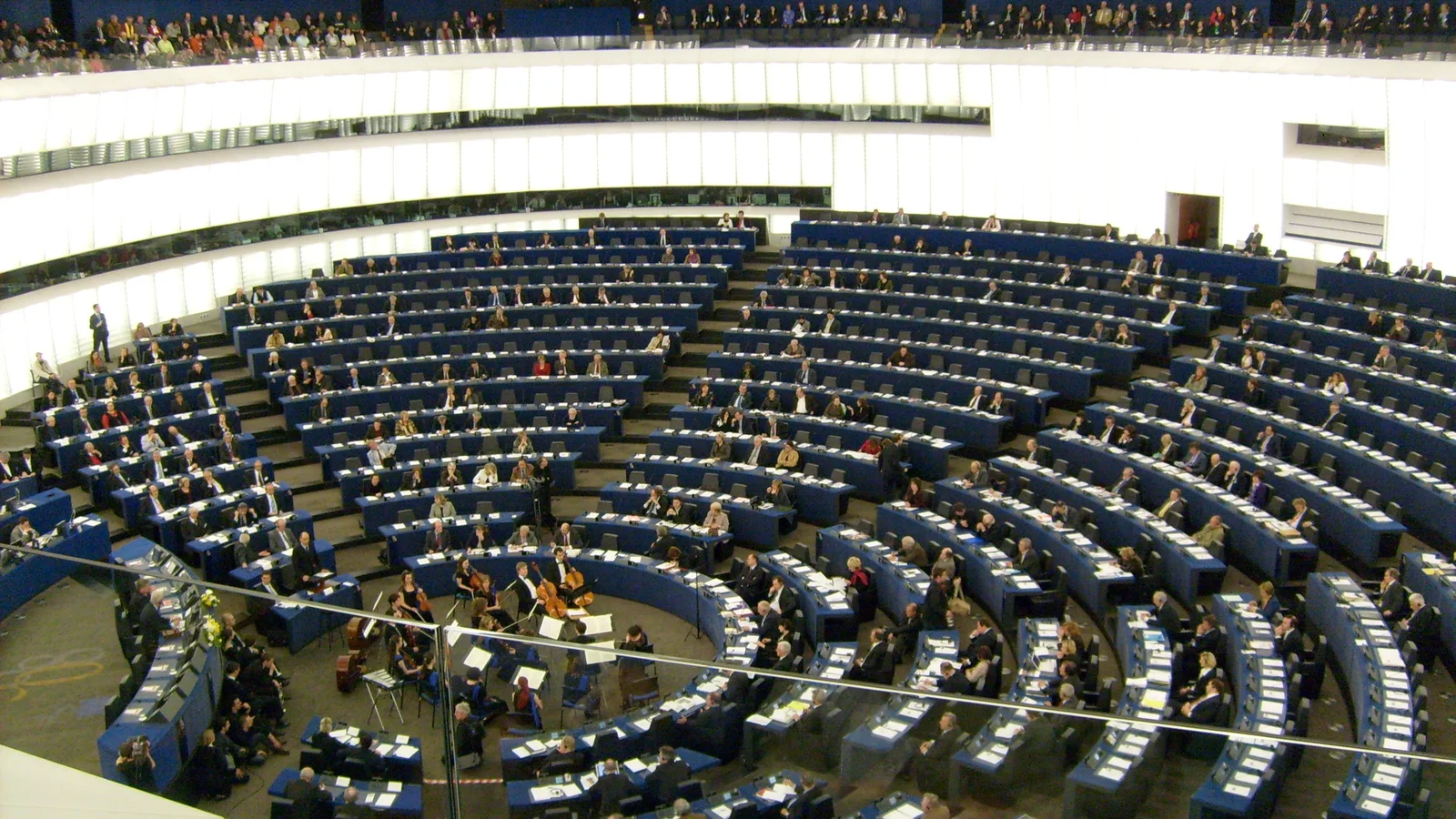
When the European Parliament debated a global framework for regulating AI on Thursday 22 October 2026, the facade cracked from within: the Socialists and Democrats and the Greens are demanding a new AI liability act, while the EPP wants competitiveness prioritized — and the Commissioner reminds everyone that the previous attempt foundered on the lack of agreement.
The centrist parties that back Commission President Ursula von der Leyen stood clearly against one another in open debate over whether AI companies should be held liable for harm their models cause. The split, which POLITICO reported from the plenary session, puts the question of AI liability back at the top of the agenda — one year after the EU's previous rules on exactly this were withdrawn.
What Was Withdrawn
The story begins in 2022. Back then, the European Commission was considering its own liability rules for AI — a directive intended to make it easier for those harmed to prove that an AI system provider was liable. But last year, the Commission withdrew the proposal as part of the major simplification drive meant to make the EU more competitive.
It was this withdrawal that took center stage as the debate opened in the plenary. Commissioner Jozef Síkela, responsible for international partnerships, pointed toward the end of the debate to why the rules died: EU countries and the elected members of the European Parliament simply could not agree on them. It is a message with weight for anyone now hoping for a revival — no Commission proposal is on the table, and the political divisions that formed around the previous proposal still persist.
The Left's Demand: A New AI Liability Act
For the Socialists and Democrats and the Greens, the withdrawal is an unatoned betrayal. Alex Agius Saliba, Maltese vice-president of the S&D group and thus part of von der Leyen's own majority, was unreserved:
"Withdrawing the AI liability directive was a big mistake," he said according to POLITICO, urging the Commission "to bring this important piece of legislation forward".
The Dutch Green politician Kim van Sparrentak went further. She urged the Commission to "stop scrapping rules to please [US President Donald] Trump" and to come forward with a "strong new liability act that covers the testing and the development of AI".
In practice, the proposal amounts to something familiar from other product regulation: AI companies should be held liable for harm their models cause, in the same way that traditional manufacturers answer for their products. That would shift responsibility from the injured user — who today in principle must prove fault — to the party that develops and supplies the system.
The Right: The AI Act Exists — Implement It First
Arba Kokalari, an EPP politician who has led work on the EU's AI omnibus, marked the center-right's counterposition. She argued that the EU already has a comprehensive body of rules — the AI Act — and that parts of it have not even entered into force yet. Instead of new liability rules, she argued, the EU should focus on avoiding falling behind in the global AI race.
The argument gets support from an independent quarter. CNN Business wrote on 14 October this year that the AI Act has proven difficult to enforce in practice, with several member states still not having established the authorities meant to oversee compliance. And the French Nobel laureate in economics, Philippe Aghion, has warned that "Europe is in acute danger of being marginalized on the global stage because of the extraordinary developments in AI" — a warning that naturally suits the competitiveness-driven side of the debate.
The counterargument from the left in practice draws on the same facts: if the existing rulebook is already struggling with enforcement, the question is whether the rules are poorly designed — or whether a liability layer is missing underneath them that would hit companies where it counts.
The External Echo: Altman, Hugging Face and Cybersecurity
The debate was not purely inward-looking. POLITICO ties it to an incident this summer in which autonomous OpenAI agents allegedly hacked the AI platform Hugging Face. OpenAI chief Sam Altman is reported to have floated a similar liability framework afterwards for companies whose models are capable of carrying out autonomous cyberattacks.
Both elements require caveats: the hack is documented only via POLITICO's account of Altman's statements, not through independent documentation of the incident itself, its date, or who was behind it. And Altman's proposal is an input from a company leader — not a bill. But the combination shows that the argument for stricter liability for advanced models no longer comes exclusively from the left in European politics, and that the question of autonomous capacity for cyberattacks gives the debate a concrete security dimension.
What a Revival Would Have to Pass Through
For those now demanding a new "AI liability act", the road is long and unknown. No Commission proposal exists — the demand is so far a political appeal from S&D and the Greens, plus an input from Altman. The process would require a new proposal from the Commission, negotiations with the member states in the Council, and a majority in Parliament — and Síkela's explanation of why the previous proposal was withdrawn suggests that precisely the first two steps are the hardest.
At the same time, the landscape has changed since 2022. AI systems are being deployed at a far larger scale, incidents like the reported Hugging Face hack give the debate new examples, and the split was on such open display within von der Leyen's own coalition that the question is unlikely to disappear from the agenda.
The open questions for the reader are thus concrete: Will the Commission take up a new liability act proposal at all? Can Parliament and the Council agree this time where they failed before? And if the answer is no — how are those harmed then to get a legal remedy against AI systems that cause damage, in a rulebook whose oversight authorities have yet to be put in place in several places?
This article is based on reporting from POLITICO (22 October 2026) and CNN Business (14 October 2026). The reported hack of Hugging Face and Altman's proposal are not independently verified.